What Defensible Space Actually Means
Defensible space is the managed buffer that gives your home a fighting chance when fire arrives — and gives firefighters a safe place to defend it. Colorado State Forest Service guidance divides it into zones, and effective fire mitigation works them in order, from the walls outward.
- Zone 0 (0–5 ft): nothing combustible. Rock instead of bark mulch, no junipers against siding, no firewood on the deck, gutters clean. Most home losses start with embers landing in this strip — not with a wall of flame.
- Zone 1 (5–30 ft): lean, clean and green. Trees limbed up, deadwood gone, grass mowed short, ladder fuels broken so ground fire cannot climb into the crowns.
- Zone 2 (30–100 ft): thinned and spaced. Roughly ten feet between mature crowns, juniper and brush clumps broken into islands, heavy fuels masticated. On flat ground 30–50 feet may do; on slopes, go to 100.
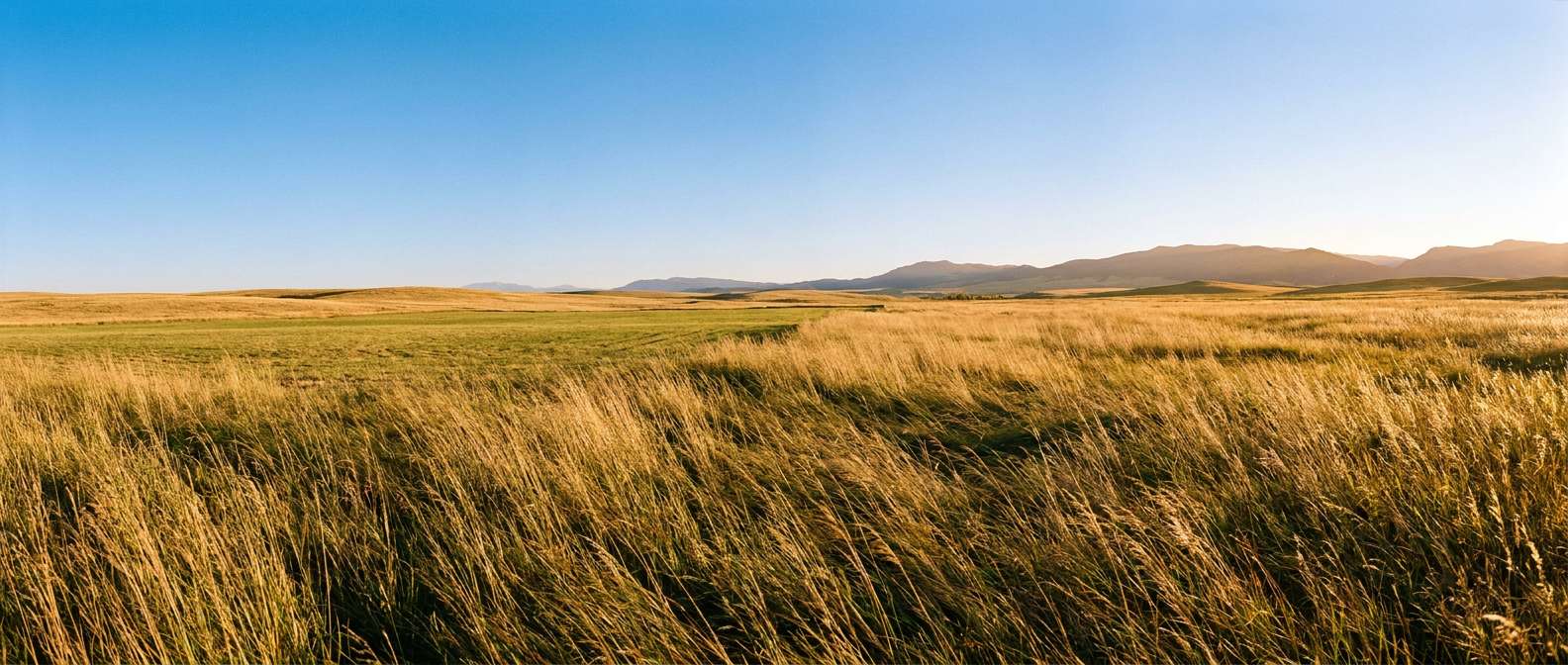
Grass Country Rules
Most of Pueblo sits in shortgrass prairie, and prairie writes its own defensible-space rules. By midsummer the grass has cured — dead, dry and continuous — and a wind-driven grass fire can cross open ground faster than any forest fire moves. The good news: grass fire is also the easiest fire to stop with fire mitigation. It burns short and fast, so a mowed buffer, a graveled fence line, and a Zone 0 with nothing to ignite will break a run that open fuel would have carried to the wall. On city-edge lots, along the Arkansas and Fountain corridors, and across Pueblo West's open acres, mowing and brush clearing is the defensible space work.
Slope Changes Everything
Fire moves uphill, preheating the fuel above it as it climbs. That is why the same house needs 30 feet of defensible space on a flat lot in town and 100 feet on a foothills slope. The Wet Mountains communities — Beulah, Rye, Colorado City, San Isabel — carry the double load of steep ground and timber, and 2026 proved the point in the hardest way possible: the Aspen Acres Fire burned over 100,000 acres through exactly that country. For the homes that came through, defensible space rebuilt to the full 100 feet is the difference the next time wind and drought line up.
What the Day of Work Looks Like
A defensible space crew works from the house outward, in the same order the zones are numbered. Morning: Zone 0 stripped — combustible mulch raked out, junipers against the siding cut, deck undersides cleared, firewood relocated. Midday: Zone 1 trees limbed up, deadwood dropped, ladder shrubs cut, grass knocked down. Afternoon: Zone 2 thinning to crown spacing, brush broken into islands, and every branch that hit the ground cut, stacked and staged for disposal — chipped on-site or hauled, because in Pueblo County there is no free pickup coming.
Most single-lot defensible space projects finish in one to two crew-days. You get before-and-after photos of each zone and an itemized invoice naming the fire mitigation work performed — the exact package your insurance carrier and the state tax credit both want to see.
Priced Honestly, Documented Fully
A focused city-lot project runs well under $2,500; a full defensible-space build-out on a treed foothills acre averages $3,200–$6,100. Colorado's mitigation tax credit returns up to $1,000 of it per year. Call (719) 415-3216 and a licensed and insured crew turns your lot into finished, photographed fire mitigation — cut, cleared, documented.